Saturday, January 31, 2026
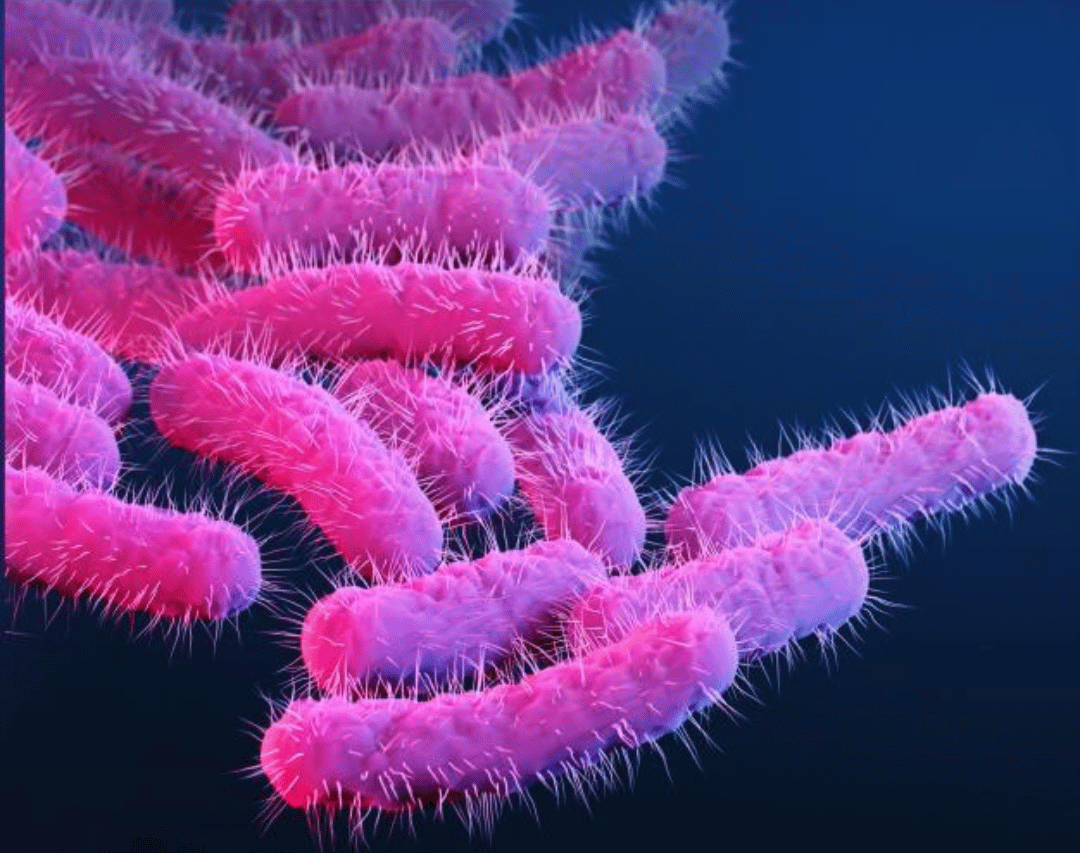
Did you know that the cellular process that keeps us alive when we hold our breath is the same process microbes use to survive in oxygen-deficient environments?
Our cells generate energy via anaerobic respiration when we don’t have enough oxygen in our muscles, keeping us alive when we hold our breath briefly or exercise! Join us as we dive into how our bodies convert sugar to energy, with or without oxygen! Experiment with yeast to watch respiration in action, and use playdough to explore the molecular transformations that keep us moving!
Time
Ages 7-12: 8 am PT • 9 am MT • 10 am CT • 11 am ET • 12 pm AT
Ages 13-17: 10 am PT • 11 am MT • 12 pm CT • 1 pm ET • 2 pm AT
Materials and Preparation
Experiment 1:
- At least 1 tablespoon dry active yeast (can find at Bulk Barn or grocery stores)
- Warm water – not boiling, approximately 2 cups
- At least 1 tablespoon of sugar
- At least two similarly sized containers
- Suggestions: small plastic water bottles, mason jars, empty prescription bottles, test tubes)
- 2 balloons OR cling wrap (if you are using balloons, the balloon will need to fit over the top of your container. You can use cling wrap if you do not have a container that you can seal with a balloon)
- Rubber bands
- Ruler
Experiment 2:
- Play dough – 3 colours
Meet the Expert
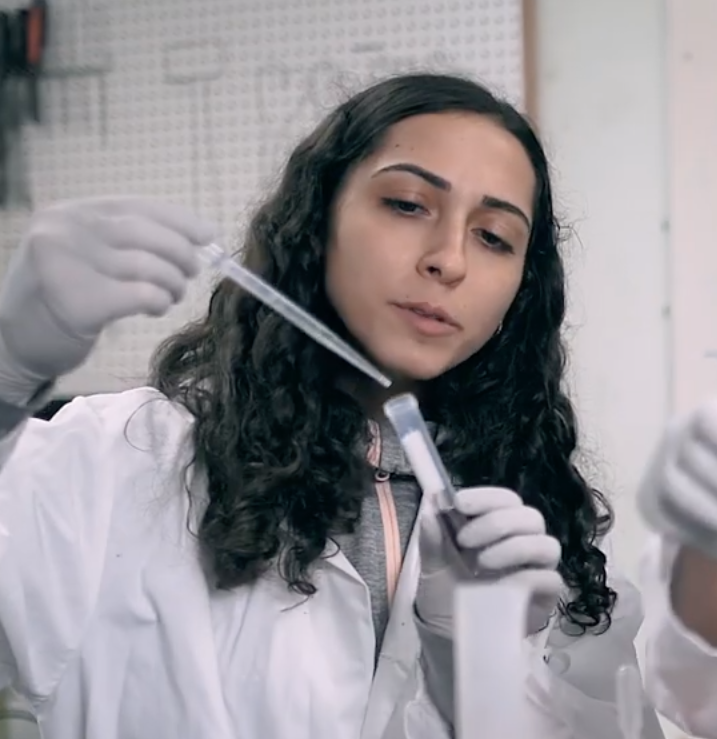
Carine Nemr, Ph.D.
Carine Nemr is an Assistant Professor of Instruction at Northwestern University. She received her BSc in Honors Chemical Biology Co-op at McMaster University and her PhD in Chemistry at the University of Toronto, where she investigated new tools for the diagnosis and treatment of bacterial infections. She currently teaches large-enrollment general chemistry lecture and laboratory courses at Northwestern University. She finds joy in her daily interactions and collaborations with co-instructors, course coordinators, teaching assistants, and students to best help support inclusive learning environments in and out of the classroom.
This programming was developed by Carine Nemr and Sydney Brooks.